Tokyo & Kyoto: The Perfect Introduction to Japan
Inspired already? Get a personalized day-by-day itinerary for Tokyo & Kyoto, Japan in minutes — free.
Plan this tripThere's no gentler — or more thrilling — introduction to Japan than the Tokyo-Kyoto pairing. Tokyo is the world's largest metropolis, a place where robot cafes and 400-year-old shrines share the same block. Kyoto, the imperial capital for over a thousand years, holds seventeen UNESCO World Heritage sites and the country's most refined traditions. The bullet train stitches them together in two hours and fifteen minutes of silent, punctual magic.
Tokyo: four days, four worlds
Divide Tokyo by neighborhood and it becomes manageable. Spend a day in the east: Senso-ji temple in Asakusa at 7 a.m. before the crowds, then the knife shops of Kappabashi and a river walk to the Skytree. Give another to Shibuya and Harajuku — the famous scramble crossing, Meiji Shrine's forested calm, and Takeshita Street's technicolor youth culture. A third day belongs to Shinjuku: the free 45th-floor observatory at the Metropolitan Government Building, the miniature lantern-lit bars of Golden Gai, and Omoide Yokocho's smoky yakitori alleys. Use the fourth for a market morning at Tsukiji's outer stalls and teamLab's digital art museum (book weeks ahead).
Kyoto: temples, gardens, and quiet corners
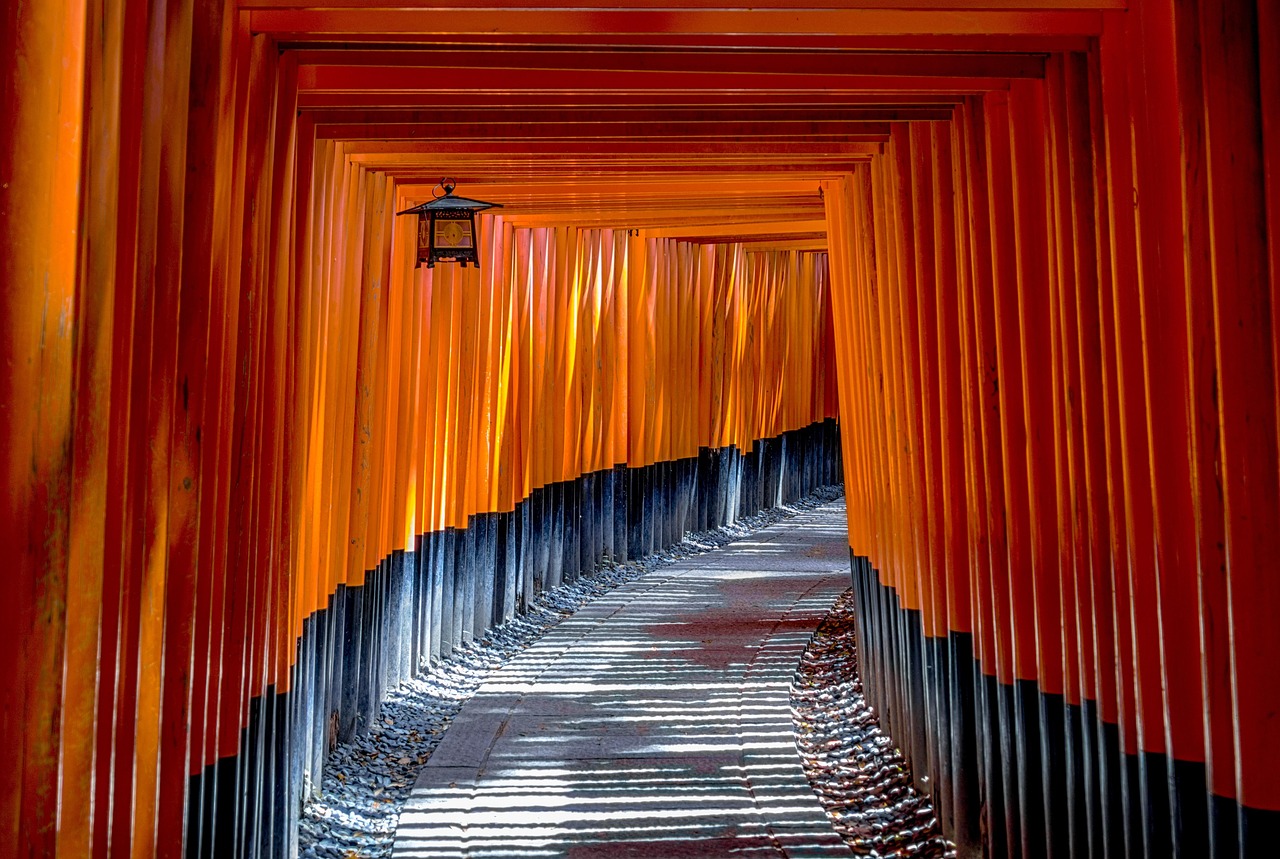
Kyoto rewards the early riser more than any city on Earth. Fushimi Inari's ten thousand vermilion torii gates are mystical at dawn and a conveyor belt by 10 a.m. The same logic applies to the Arashiyama bamboo grove and Kinkaku-ji, the gold-leafed pavilion floating over its mirror pond. Balance the icons with the quieter Kyoto: the Philosopher's Path in Higashiyama, moss gardens at Gio-ji, and an evening walk through Gion's lantern-lit lanes, where you may glimpse a geiko slipping between teahouses.
- Stay one night in a ryokan with a kaiseki dinner — a multi-course procession of seasonal art on plates.
- Nishiki Market's 400-year-old food alley is lunch: tako tamago, fresh yuba, and matcha everything.
- Day-trip to Nara (45 minutes) for the Great Buddha and the bowing deer of Nara Park.
The practicalities
- Get an IC card (Suica/Pasmo, easily added to your phone) — it works on nearly every train, subway, bus, and convenience store nationwide.
- Reserve bullet train seats a day ahead in cherry-blossom season; otherwise, just show up.
- Convenience stores are legitimately great for breakfast — onigiri and canned coffee are a rite of passage.
- Carry some cash; smaller temples and restaurants remain cash-only.
- Learn a handful of phrases. Even a bowed 'arigatou gozaimasu' transforms interactions.
When to go
Late March to early April brings the cherry blossoms and the crowds that chase them; November's fire-red maples are their equal with slightly more elbow room. June is rainy, July and August hot and humid but festival-rich. The dark-horse pick is winter: crisp blue skies, steaming bowls of ramen, temple gardens dusted with occasional snow, and hotel rates at their lowest.
Ten days — five in Tokyo, four in Kyoto, one for Nara — is the classic first-trip formula. It won't be your last; Japan has a way of turning visitors into lifelong students.
Ready to plan this trip?
Let VacayPlot's AI craft a personalized day-by-day itinerary for Tokyo & Kyoto, Japan — free.
Plan this trip